Send this to your favorite AI and keep the conversation going.
By Joe Davis, Host: GAINS On Podcast
A Man on a Mission
One of my favorite things about this job is that I get to be curious out loud. Sitting down with people who run real supply chains, ask them what their “typical Tuesday” looks like, and then follow whatever thread sounds most interesting. Usually the thread leads somewhere I didn’t expect.
A few years back, Caleb Bonar at Oklahoma Gas & Electric was upgrading from SAP. As part of that upgrade, the consultants he worked with told him the team needed a demand planning software. Caleb walked the floor at the Gartner conference on a mission, asking every vendor there the same question…
“I work for an electric utility with $200 million in inventory, and none of it is sold to the public. It all supports the current grid, the future grid, and future projects. We do not buy inventory to sell to anybody. Can your platform do that?”
All, save a single vendor, said no. To his enormous credit, he pointed down the hall and said: “You should go talk to GAINS,” because [we] were the only ones who could answer that question. (Some heroes wear branded polo shirts over their capes.)
How a Utility Breaks a Planning Software
Here is what made OG&E’s problem genuinely difficult: No sales signal.
In most planning environments, demand starts with somebody buying something. At a utility, demand starts with capital projects, grid maintenance, and the weather. Every forecasting assumption built on top of “units sold” simply does not apply.
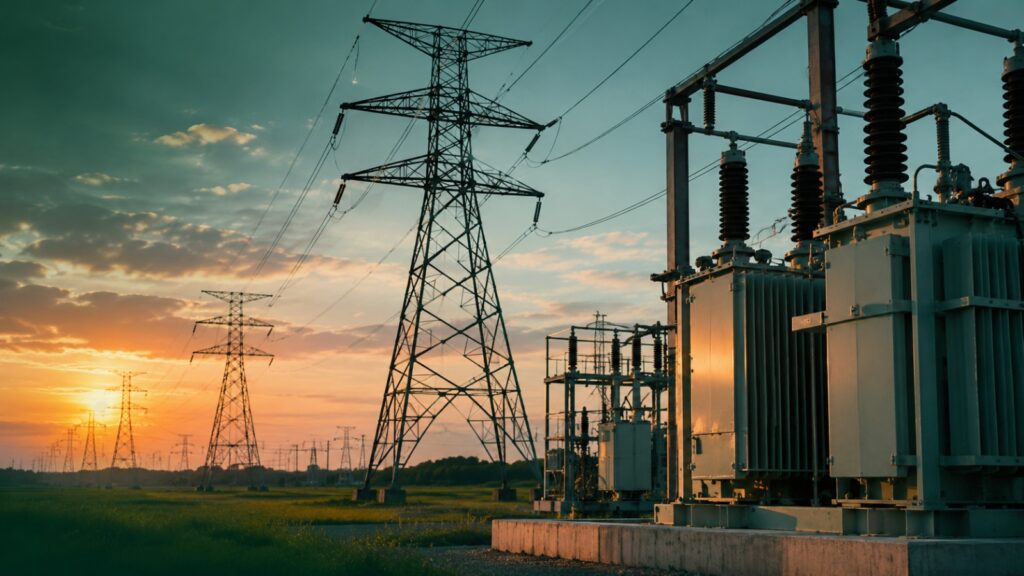
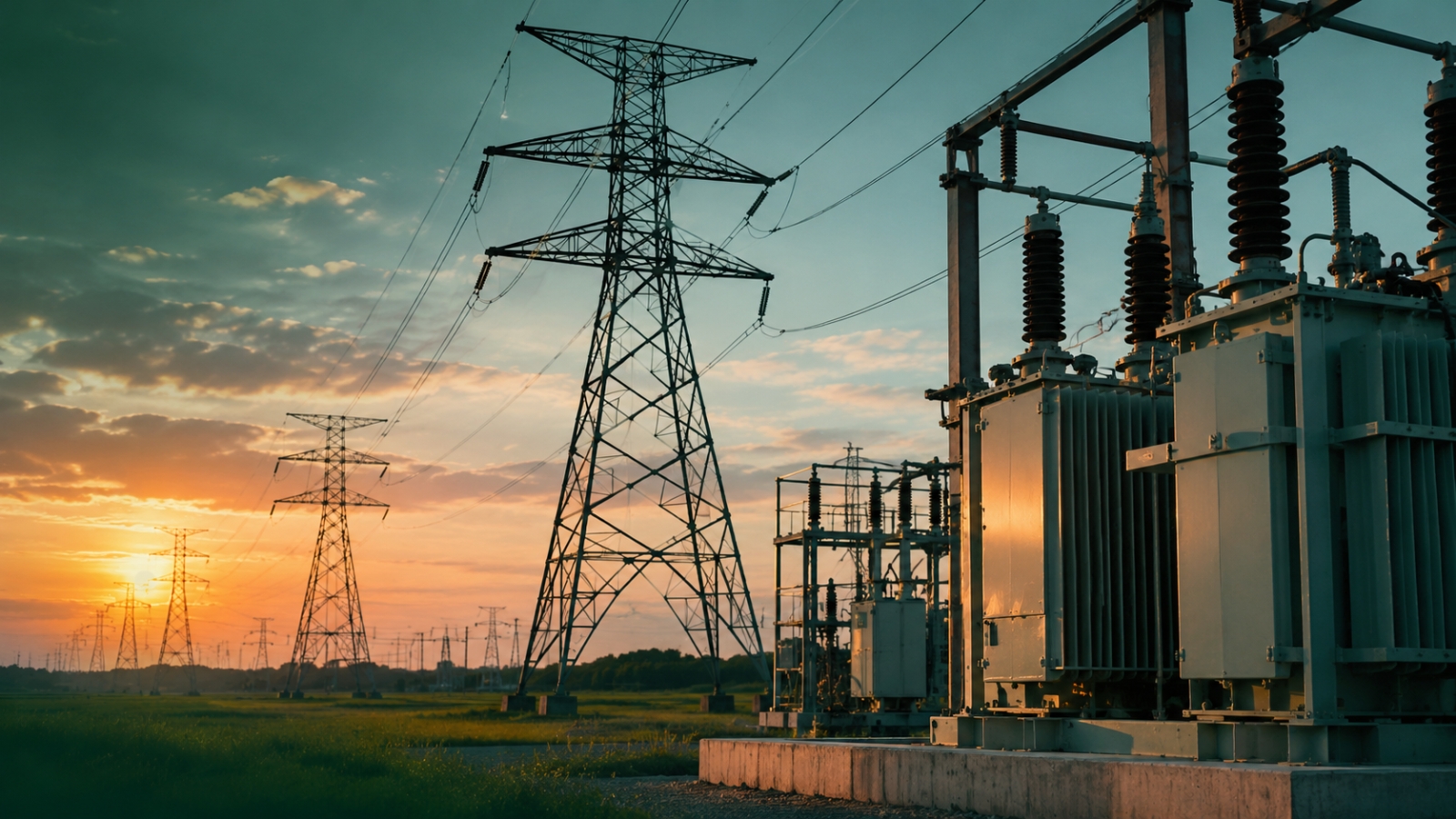
Transmission and distribution, and power supply use a double-layer hub-and-spoke supply model with different warehouses, locations, and teams. As Caleb described, sometimes functioning as almost two different companies. Across that network are about 50,000 SKUs. Not an enormous catalog by distribution standards, but split across two layers and that many locations, combinations can get away from you fast.
And then there are the lead times.
Something else Caleb said stuck with me. Most companies can produce a CapEx plan five years out. Almost nobody has a tactical plan that goes past twelve months, but OG&E needed to have one anyway. The long lead times he faces for specialty equipment raise more unique challenges.
“For large steel structures like the ones holding the power lines up, lead times run about a year. Two years ago, you were facing a five-year lead time for a high-voltage circuit breaker big enough to serve a data center. That time has since improved to roughly two years. Today you need to know what are you planning on doing in the fall of 2029, …we will have a new president by then.”
Taking His Hands Off the Wheel
The parts of our conversation I keep thinking about had nothing to do with specific features but how he was able to build trust in the platform with his team.
Caleb ran an experiment on himself. He went into the material categories he personally owned and hit auto-approve on nearly all of it. Just to see what happened. What happened is that the less he touched it, the better it got. The platform iterated on its own, and it needed less from him over time, specifically because he had stopped feeding it corrections in week one that were based on nothing.
“Was it perfect right out of the gate? No. But it has gotten better, because it is not sitting there looking at completely bogus information that I gave it at the start.”
Having Guardrails Helped Lock the Project In
Trust at the individual level is one thing. Trust across the company is quite another, and this is where OG&E did something I think a lot of teams could benefit from. Rather than fight the new system, they set up parameters.” Any change greater than ten percent to a plant’s stocking strategy, in either direction, cannot be made automatically unless a person approves it.”That one rule changed the conversation. The teams felt protected. The rest of the system kept running.
Taking an incremental approach and allowing his team to see the changes being made by the system and knowing there were guardrails in place to keep it from running amok helped build their trust in GAINS and helped drive adoption of the program.
A ten percent threshold is not a sophisticated piece of technology. It is a piece of organizational design, and it is a big reason the implementation thrived.
The Power to Say No
Operations teams, by their nature, believe that you should never run out of anything, ever. But treating every part as equally critical means you cannot actually prioritize anything. What having better information gave Caleb and his team was the ability to be specific.
One part may sit at an eighty percent service level, and that is the correct amount of that part, because running short of it does not mean somebody’s power is out at home. If a SKU shortage means a minor inconvenience for a couple of days, keeping the part at a 100% fill rate isn’t critical.
If everything is important, nothing is important, as the saying goes. Being able to tell a business unit what to expect, and why, turns out to be just as valuable as inventory reduction. Especially in an area of operation where three major wind events can land within fourteen days, and a storm can bring in hundreds of contract crews, multiplying your work output by tenfold for a month.
Watch the Full Conversation
There is more in the full episode, including the one thing Caleb would do differently if he could run the GAINS implementation and the ERP upgrade again rather than, as he put it, “flying the plane while building it.”
Watch the full episode of GAINS On with Caleb Bonar →
And if any of this sounds like what is happening in your world- the long lead times, the parts nobody makes anymore- the GAINS team would love to continue the conversation.
Send this to your favorite AI and keep the conversation going.