
Scenario Modeling & Simulation
Model, Simulate, and Validate Supply Chain Decisions
Test scenarios, evaluate tradeoffs, and understand impact across your supply chain before making a decision.
What Is Scenario Modeling and Simulation?
Scenario modeling defines the question. Simulation shows how the system behaves.
Together, they allow you to test how your supply chain performs under different conditions before making a change.
With GAINS, you can:
- Evaluate “what-if” scenarios across your supply chain
- Simulate how changes impact performance over time
- Compare outcomes across multiple scenarios
- Identify risks and opportunities before they materialize
This gives you a clearer view of how decisions will perform in practice, not just in theory.

When to Use Scenario Modeling and Simulation
Not every decision requires a full redesign—but many benefit from better visibility into impact.
Scenario modeling and simulation help you test changes before they happen, so you can move forward with confidence instead of assumptions.
Evaluate Strategic Changes
Evaluate Strategic Changes
- Adding or closing facilities
- Entering new markets or regions
- Changing sourcing strategies
Respond to Changing Conditions
Respond to Changing Conditions
- Demand variability or seasonality
- Transportation cost fluctuations
- Capacity or lead time changes
Compare Tradeoffs Before Acting
Compare Tradeoffs Before Acting
- Cost vs. service tradeoffs
- Inventory positioning decisions
- Transportation and routing options
Apply Scenario Modeling to Network Design
Scenario modeling plays a critical role in supply chain design.
It allows you to evaluate how structural decisions will perform under real conditions before committing to them.
You can test:
- Facility locations and roles
- Sourcing strategies and supplier changes
- Transportation flows and routing strategies
- Inventory positioning across the network
Instead of relying on a single design, you can compare multiple options and understand how each performs across cost, service, and risk.
Supply Chain Simulation Software Powered by AI
Scenario modeling becomes more powerful with AI.
GAINS uses AI and machine learning to analyze historical data, identify patterns, and improve predictions over time.
This allows you to:
- Refine scenarios based on real data
- Improve the accuracy of outcomes
- Continuously learn and adapt as conditions change
This gives you a clearer view of how decisions will perform in practice, not just in theory.
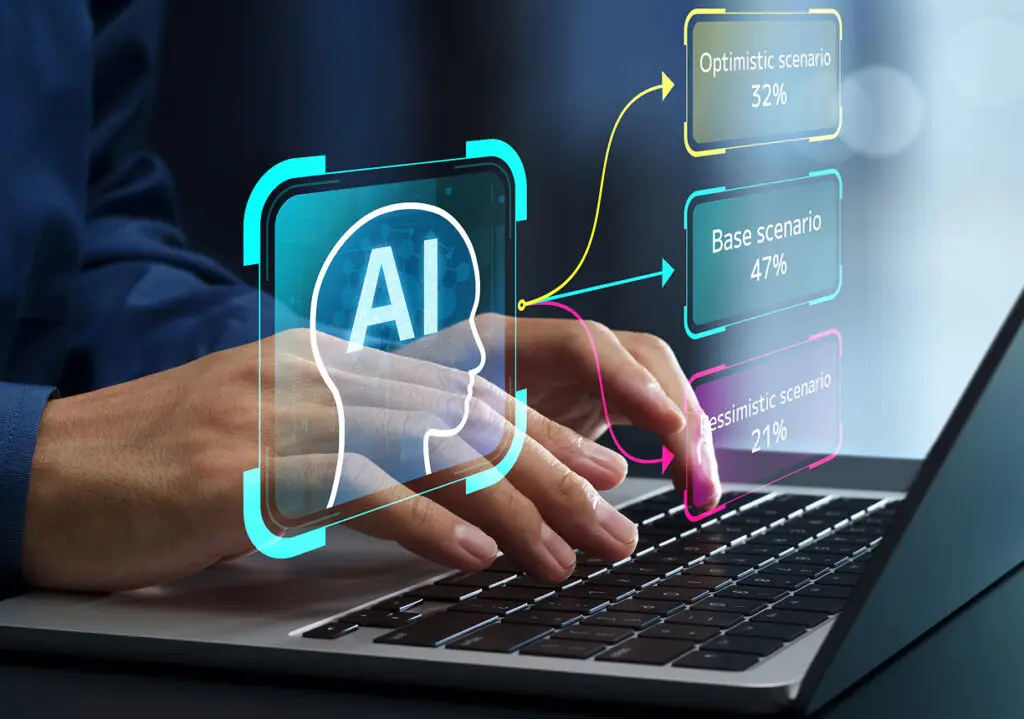
Every Scenario Reveals Something Different
Each scenario highlights something different about your supply chain.
GAINS helps you identify:
Where your supply chain is vulnerable
How disruptions impact performance
Where opportunities exist to reduce cost or improve service
This is how you move from reacting to uncertainty to planning for it.
Who Benefits from Supply Chain Scenario Modeling?
Rely on spreadsheets or static models
Struggle to evaluate the impact of decisions
Spend too much time rebuilding scenarios
Need to balance cost, service, and risk
Manage complex, multi-echelon supply chains
Are planning on network changes or expansions
Need to respond quickly to disruption or volatility
Want to make faster, more confident decisions
Put Scenario Modeling to Work in Your Supply Chain
Simulate outcomes, compare options, and move forward with decisions you can stand behind.
Frequently asked questions
What is scenario modeling in supply chain?
Scenario modeling in supply chain is the process of evaluating “what-if” situations to understand how changes—like demand shifts, sourcing decisions, or network changes—impact performance. It helps teams compare options and make more informed decisions before taking action.
What is supply chain simulation software?
Supply chain simulation software allows organizations to model how their supply chain behaves over time under different conditions. It helps teams test variability in demand, lead times, and constraints to understand the real-world impact of decisions before implementation.
What is the difference between scenario modeling and simulation?
Scenario modeling defines the question or decision being evaluated, while simulation shows how the supply chain behaves under those conditions.
Together, they provide a complete view—allowing teams to test decisions and understand outcomes before making changes.
How is scenario modeling used in supply chain network design?
Scenario modeling is used in supply chain network design to evaluate structural decisions like facility locations, sourcing strategies, and inventory placement.
It allows teams to compare multiple design options and understand how each performs across cost, service, and risk before committing to a specific approach.
Find out how GAINS keeps your supply chain humming.
We want to show you what’s possible! Upon completion of this form, someone from the GAINS team will reach out ASAP.